
Intermittent fasting (IF) has gained popularity not just as a weight loss trend but as a lifestyle that promotes better health, focus, and energy. Unlike diets that focus on what to eat, IF focuses on when to eat. It’s a simple, flexible, and research-backed method that can work for almost anyone. But it’s also easy to do it the wrong way. In this article, you’ll learn about the benefits of IF, how to structure your eating schedule, and what to avoid when getting started.
What Is Intermittent Fasting?
Intermittent fasting involves alternating periods of eating with periods of fasting. You don’t necessarily change what you eat — just when you eat. The most common methods include:
- 16:8 Method: Fast for 16 hours and eat during an 8-hour window (e.g., 12:00–8:00 PM)
- 5:2 Method: Eat normally five days a week and limit calories (500–600) for two non-consecutive days
- Alternate-Day Fasting: Fast every other day or follow a modified version with reduced calories on fasting days
The 16:8 method is especially popular for beginners because it’s easy to integrate into everyday routines — you simply skip breakfast and start eating at lunchtime.
Health Benefits of Intermittent Fasting
When practiced consistently and correctly, intermittent fasting can support many areas of your health.
- Weight loss and fat burning
IF helps reduce calorie intake without requiring strict food tracking. During the fasting window, your body switches from burning glucose to burning stored fat for energy — a state called metabolic switching.
- Improved insulin sensitivity
Fasting helps lower blood sugar levels and insulin resistance, making it beneficial for people at risk of type 2 diabetes.
- Better digestion and gut health
The digestive system gets a break during fasting, which can reduce bloating and improve overall gut function.
- Enhanced mental clarity and focus
Many people report clearer thinking and fewer energy crashes. Stable blood sugar levels and increased production of brain-supporting chemicals (like BDNF) may explain this effect.
- Reduced inflammation
IF may reduce markers of chronic inflammation, which is linked to many diseases such as heart disease and arthritis.
Planning Your Meals the Right Way
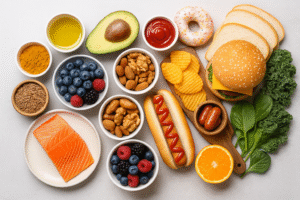
Fasting is only one part of the equation — what you eat during your eating window also matters. A poor diet can cancel out the benefits of fasting. Here are tips to build your IF-friendly meals:
- Prioritize whole foods: Lean proteins, healthy fats, and fiber-rich carbs provide lasting energy
- Include protein in every meal: This helps preserve muscle and keeps you full longer
- Don’t break your fast with sugar: Start with something balanced, like eggs with avocado, or Greek yogurt with nuts and berries
- Hydrate all day: Water, herbal teas, and black coffee (without cream or sugar) are allowed during the fast
- Meal prep helps: Planning ahead prevents impulsive, unhealthy food choices
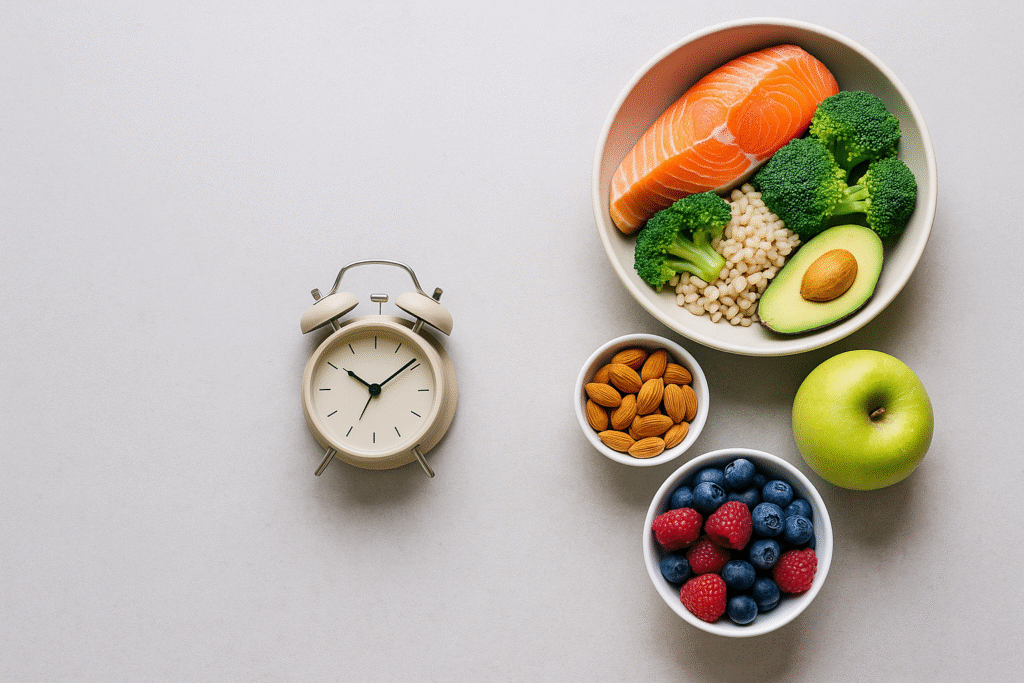
A sample 16:8 schedule might look like this:
- 12:00 PM — First meal: Grilled chicken salad with olive oil and quinoa
- 3:30 PM — Snack: A handful of almonds and an apple
- 7:30 PM — Dinner: Baked salmon with steamed broccoli and sweet potato
Common Mistakes to Avoid
Many people give up on intermittent fasting not because it doesn’t work, but because they make avoidable mistakes.
- Eating too much during the window
It’s tempting to overeat “because you fasted,” but that cancels out the calorie deficit and may lead to digestive discomfort.
- Choosing junk food
Fast food, sugary snacks, and processed meals will leave you tired, bloated, and hungry again soon.
- Not drinking enough water
Fasting can be dehydrating if you don’t pay attention. Drink water consistently to avoid fatigue and headaches.
- Not being consistent
Skipping randomly between fasting and non-fasting days makes it harder to see long-term results. Try to stick with a pattern for at least 2–3 weeks.
- Ignoring your body
If fasting leaves you dizzy, light-headed, or overly fatigued, listen to your body. Adjust the fasting window, or speak to a health professional if necessary.
Who Should Be Cautious with IF?
While intermittent fasting is safe for many people, it may not be suitable for everyone. Avoid IF or consult a doctor first if you:
- Are pregnant or breastfeeding
- Have a history of eating disorders
- Are underweight
- Have diabetes and take insulin
- Take medications that require food
Always put your long-term health first. Intermittent fasting is a tool — not a rule.
Final Thoughts
Intermittent fasting can be a powerful and flexible way to improve your health, boost energy, and simplify your eating habits. But like any lifestyle change, it works best when combined with smart nutrition, hydration, and rest. Start slow, be consistent, and don’t aim for perfection. Focus on progress, and you’ll start seeing (and feeling) the benefits.